Portfolio
Travel &
Culture
in Thailand
From mist-wrapped northern mountains to sun-drenched southern islands, Thailand holds a world of living traditions, sacred temples, and unforgettable festivals waiting to be discovered.
77
Provinces
40K+
Temples
150+
Festivals
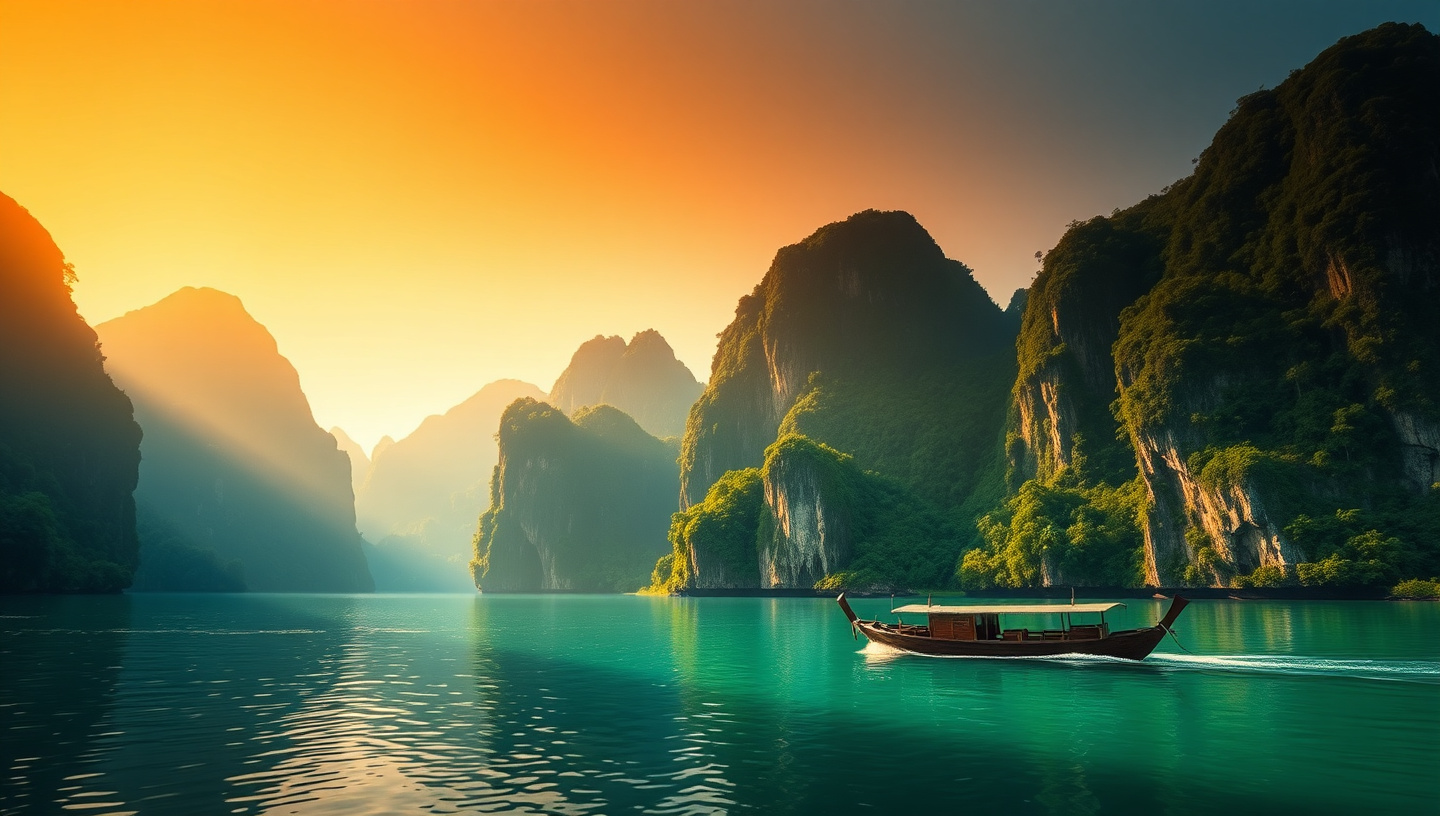
Mountains of the Golden Triangle
Where Thailand, Laos, and Myanmar converge — ancient trade routes, hill tribe villages, and terraced rice fields draped in morning cloud.
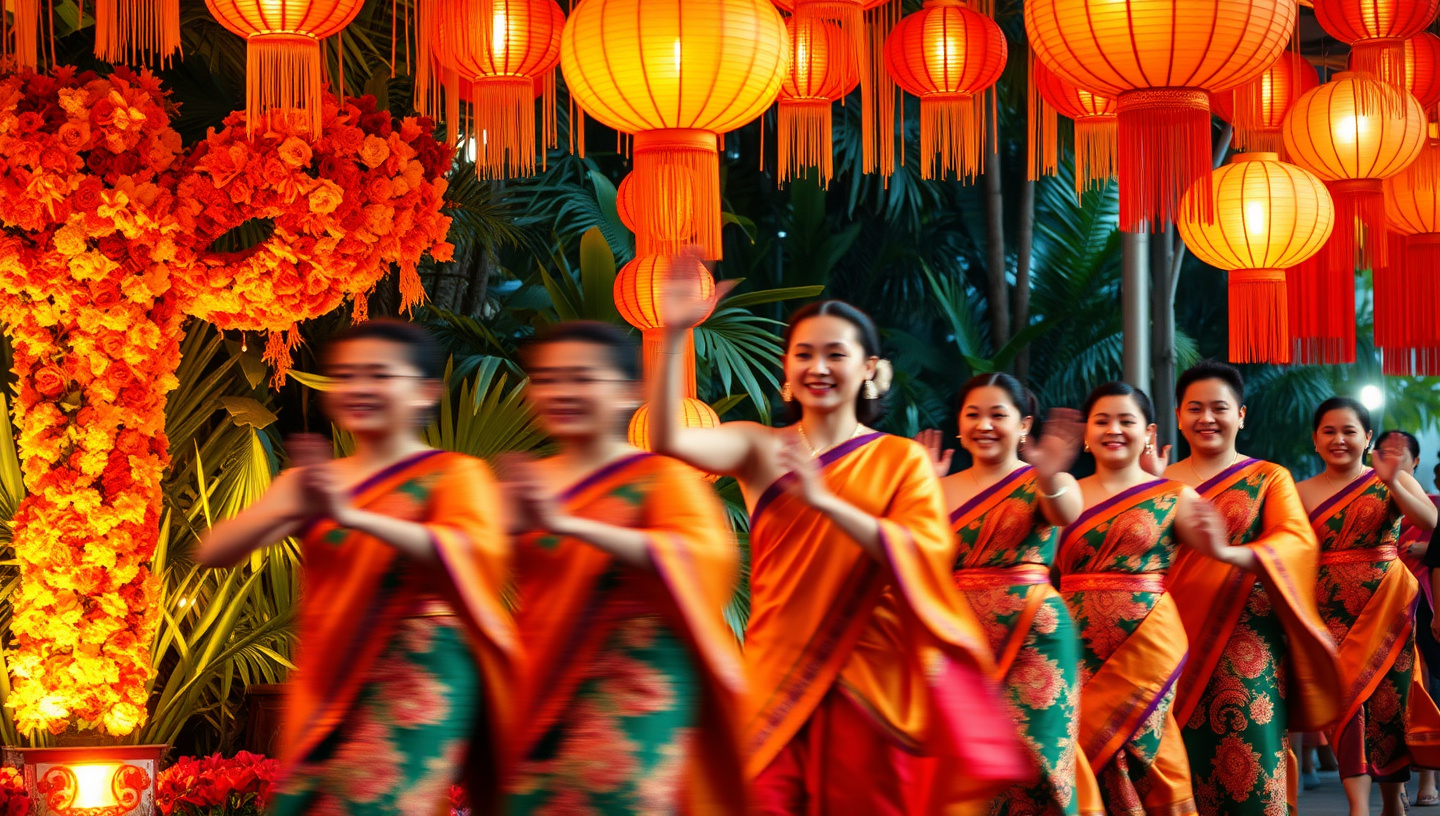
Yi Peng: A Sky Full of Lanterns
Every November, thousands of paper lanterns rise above Chiang Mai in one of the world's most breathtaking cultural spectacles.
Ayutthaya's Ancient Ruins
A UNESCO World Heritage city where headless Buddhas and crumbling prangs tell 400 years of Thai history.
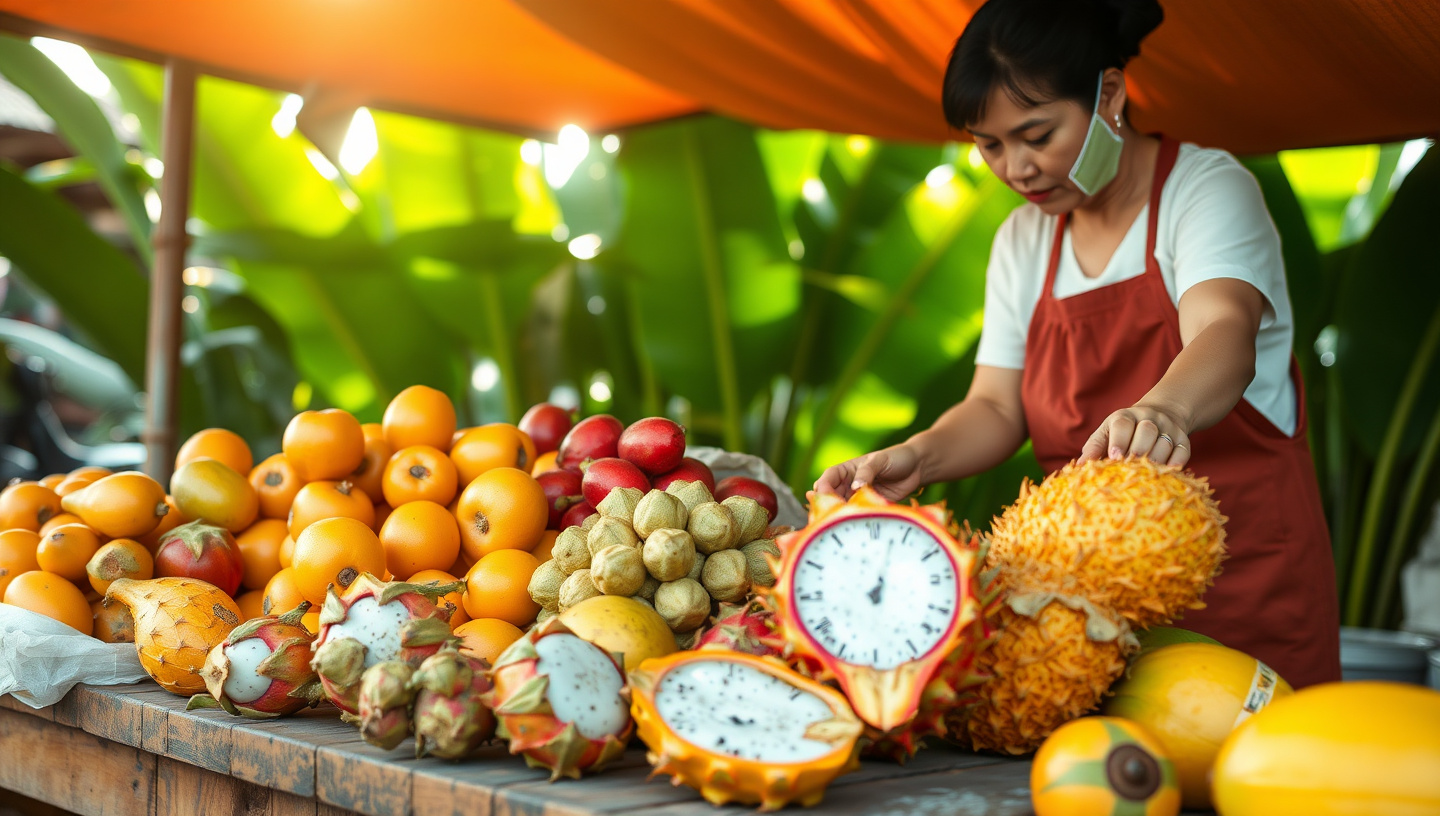
The Floating Markets of Bangkok
Damnoen Saduak and Amphawa — where longtail boats carry jasmine garlands, papaya salad, and grilled river prawns through canal-side commerce unchanged for centuries.
Island Hopping the Andaman Sea
Koh Lanta, Koh Phi Phi, Railay Beach — limestone cliffs plunging into emerald waters, traditional chao ley (sea nomad) villages, and some of the world's finest coral reefs.
Dry Season
Nov – Apr
Diving Season
Dec – May
Key Islands
Phuket to Trang
Local Dish
Moo Hong pork stew
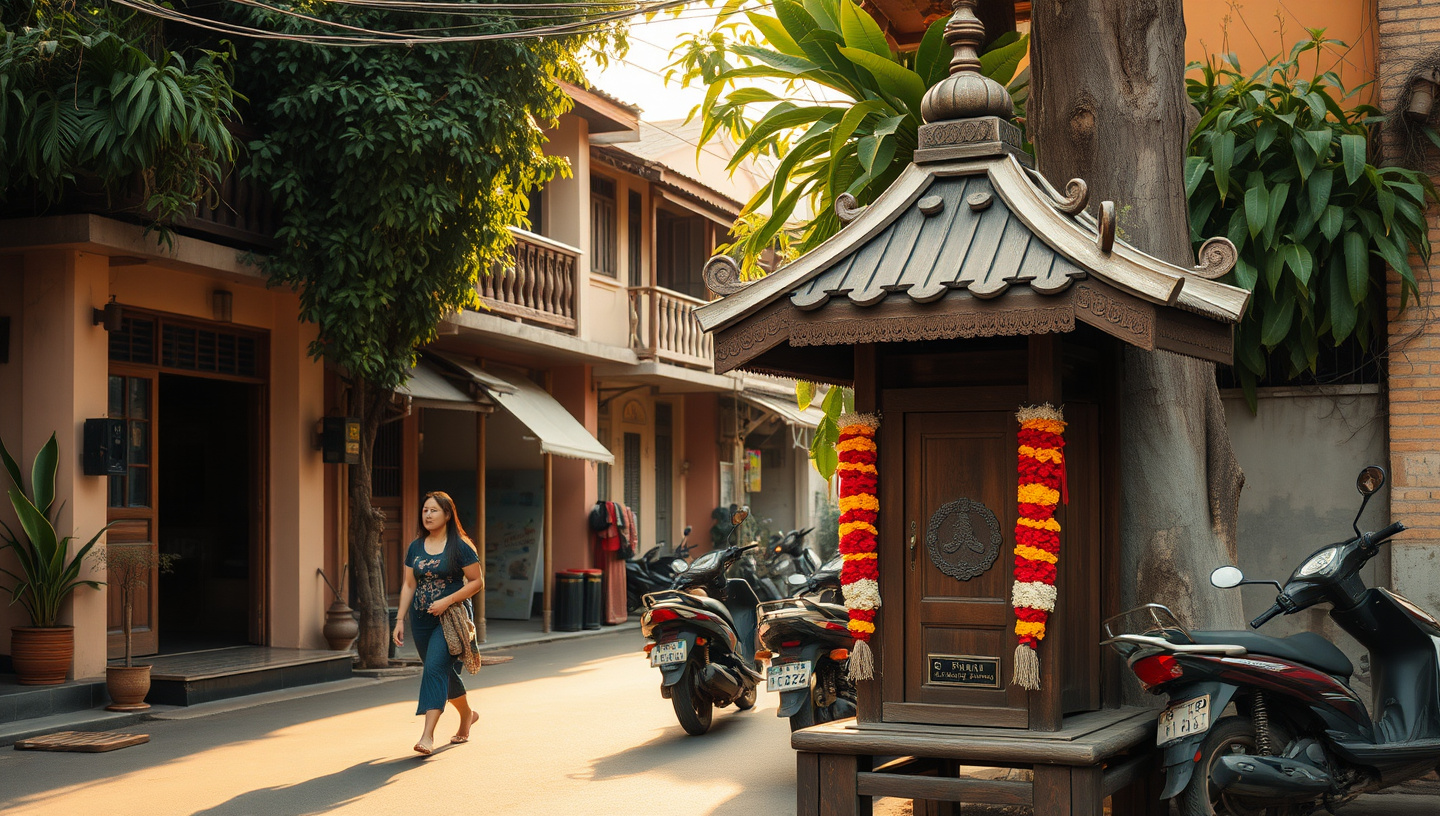
Isaan: Thailand's Soul Food Belt
The heartland of Thailand stretches across a sun-baked plateau where som tam, sticky rice, and ancient Khmer temple ruins define a culture unlike anywhere else in the kingdom.
Explore Everyday LifeThailand's Festival Calendar
-
Songkran
April — Thai New Year water festival
-
Loy Krathong
November — floating offerings on rivers
-
Phi Ta Khon
July — Loei ghost festival & masks
-
Vegetarian Festival
October — Phuket's nine emperor gods
Cultural Depth
More Than
a Destination
Thailand's culture isn't something you observe from a tour bus — it's something you live. The rhythm of daily life here is shaped by Buddhism, by seasonal rains, by the shared meal, and by a warmth so consistent it has its own name: the Land of Smiles.
Temple Etiquette & Sacred Spaces
Thailand has over 40,000 Buddhist temples. Understanding how to visit respectfully — removing shoes, dressing modestly, maintaining silence — opens doors to genuine spiritual experiences.
The Wai: Thailand's Greeting
The pressed-palm bow isn't just polite — it carries meaning. The height of your hands, who initiates it, and when to return one all communicate respect within Thai social hierarchy.
Traditional Arts & Performance
Khon masked dance, Muay Thai as ceremony, classical Lanna music in the north — Thailand's performing arts are living traditions maintained in temples, schools, and community halls across the country.
Food as Cultural Expression
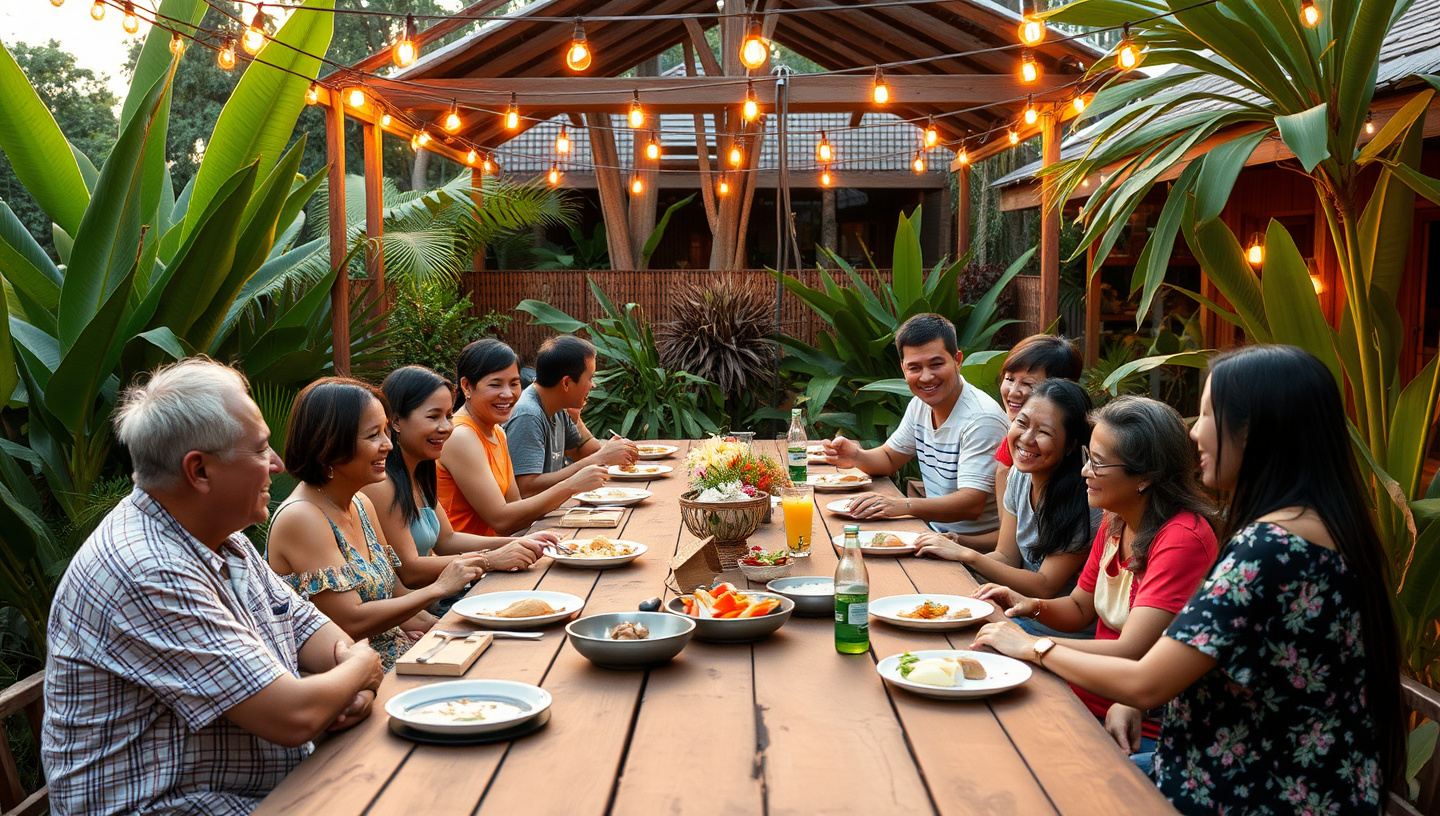
Sharing food in Thailand is not a convenience — it's communion. Regional cuisines reflect history: Khmer influences in Isaan, Malay spices in the deep south, Burmese curry in the north.

Local Insight
"In Thailand, time moves differently. The concept of sanuk — finding joy in everything — shapes how people work, play, and treat strangers. It's the most important cultural concept to understand before you arrive."
— Life in Thailand editorial team
6
regions
covered
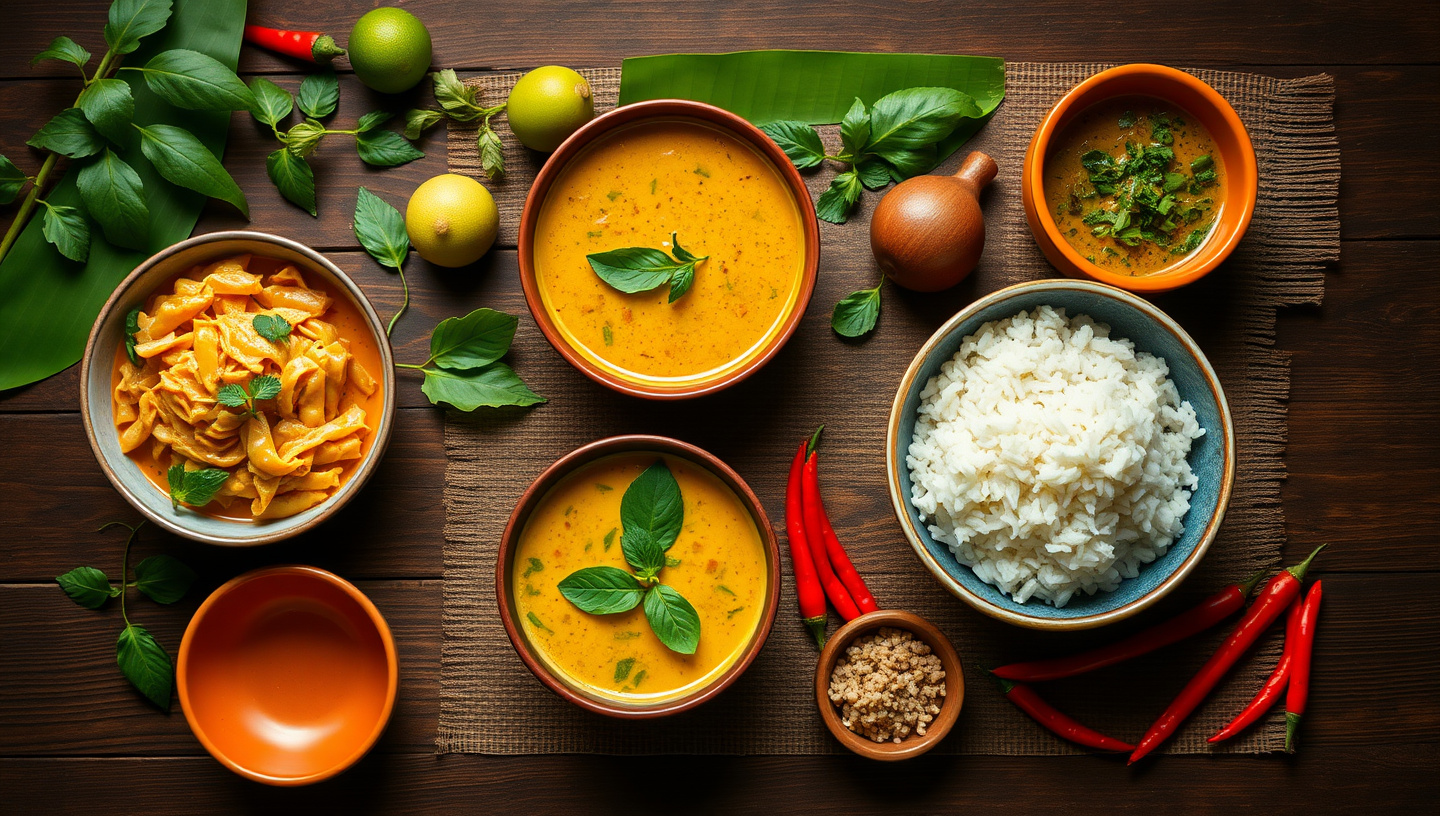
Street Food
Sacred Temples
Festivals
Landscapes
40K+
Buddhist Temples
Across Thailand
77
Provinces to
Discover
5K+
Years of
Cultural History
36M
Annual International
Visitors
Practical Travel
Travel Tips
for Thailand
Understanding how to navigate Thailand respectfully, safely, and affordably makes the difference between a surface trip and a genuinely transformative experience.
Visit Our FAQTemple Dress Code
Cover shoulders and knees at all temples and royal palaces. Carry a light scarf or sarong — many sites rent them at the entrance for a small fee.
Electricity & Connectivity
Thailand uses 220V sockets, mostly Type A and B plugs. 4G coverage is excellent nationwide; pick up a local SIM at any airport for affordable data.
Money & Costs
Thai Baht (THB) is the currency. ATMs are widespread but charge foreign fees. Street food costs 40–80 THB; budget travellers can live well on 1,000–1,500 THB per day.
Getting Around
Grab (ride-hailing), songthaew (shared trucks), tuk-tuks, overnight trains, and budget airlines all connect Thailand efficiently. Always negotiate tuk-tuk fares before riding.
Best Seasons to Visit
Cool and dry (Nov–Feb) is ideal for most regions. The south has two coasts with opposite wet seasons — Gulf side is best Nov–Apr, Andaman side Oct–May.
Health & Safety
Thailand is generally safe. Drink bottled or filtered water, use sunscreen daily, and carry basic medication for stomach upsets. Travel insurance is strongly recommended.
Connect With Us
Planning Your
Thai Adventure?
Whether you're relocating, visiting for the first time, or diving deeper into Thai culture, the Life in Thailand team is here to help. Browse our practical guides or reach out directly — we know Thailand from the inside.
Honest, experience-based guides — not tourist brochures
Updated regularly to reflect current conditions and costs
Written by people who actually live in Thailand day to day
Explore More
Continue Your Journey
Travel and culture are just one side of Thailand. Discover more of what makes daily life here so extraordinary.
Markets, Transport & Daily Living
The practical side of Thailand — costs, commutes, shopping, and the rhythms of real everyday life.
Who Is Life in Thailand?
Learn about our mission to be the most honest, grounded guide to life in Thailand for anyone who truly wants to understand the country.
Your Thailand Questions, Answered
Visas, costs, safety, culture, food — our FAQ tackles the questions we hear most from people planning their Thailand chapter.